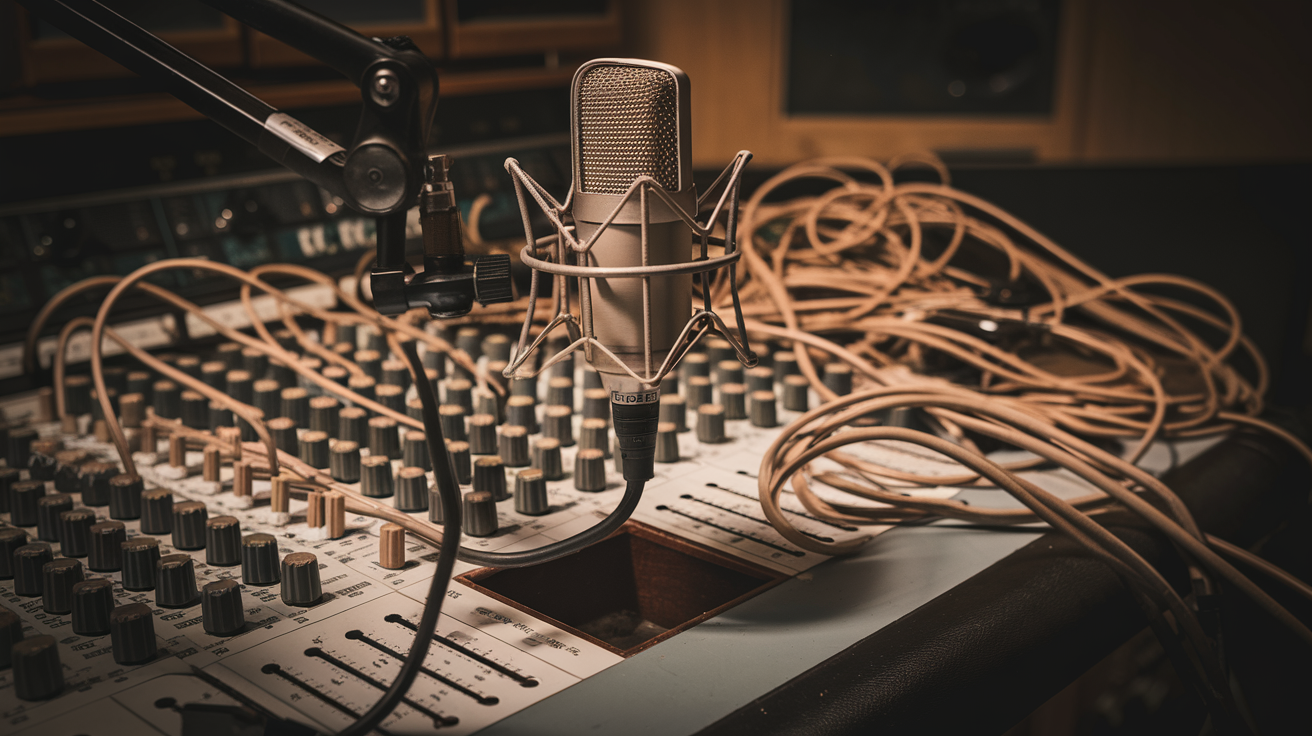
Google Ships Gemini 3.5 Transcribe While 3.5 Pro Sits Unreleased Since June
Google ships Gemini 3.5 Transcribe with 85+ languages and jargon detection. Meanwhile, Gemini 3.5 Pro — promised in June — remains unreleased.
Google ships Gemini 3.5 Transcribe with 85+ languages and jargon detection. Meanwhile, Gemini 3.5 Pro — promised in June — remains unreleased.
Z.ai confirmed it built Ox Alpha, the open model topping benchmarks anonymously. Weights release pending from the Entity List lab.

Bill Gates proposes a robot tax and Human Reserved jobs to blunt AI displacement. Both are deceleration instruments from a $106.5B philanthropist-advocate.
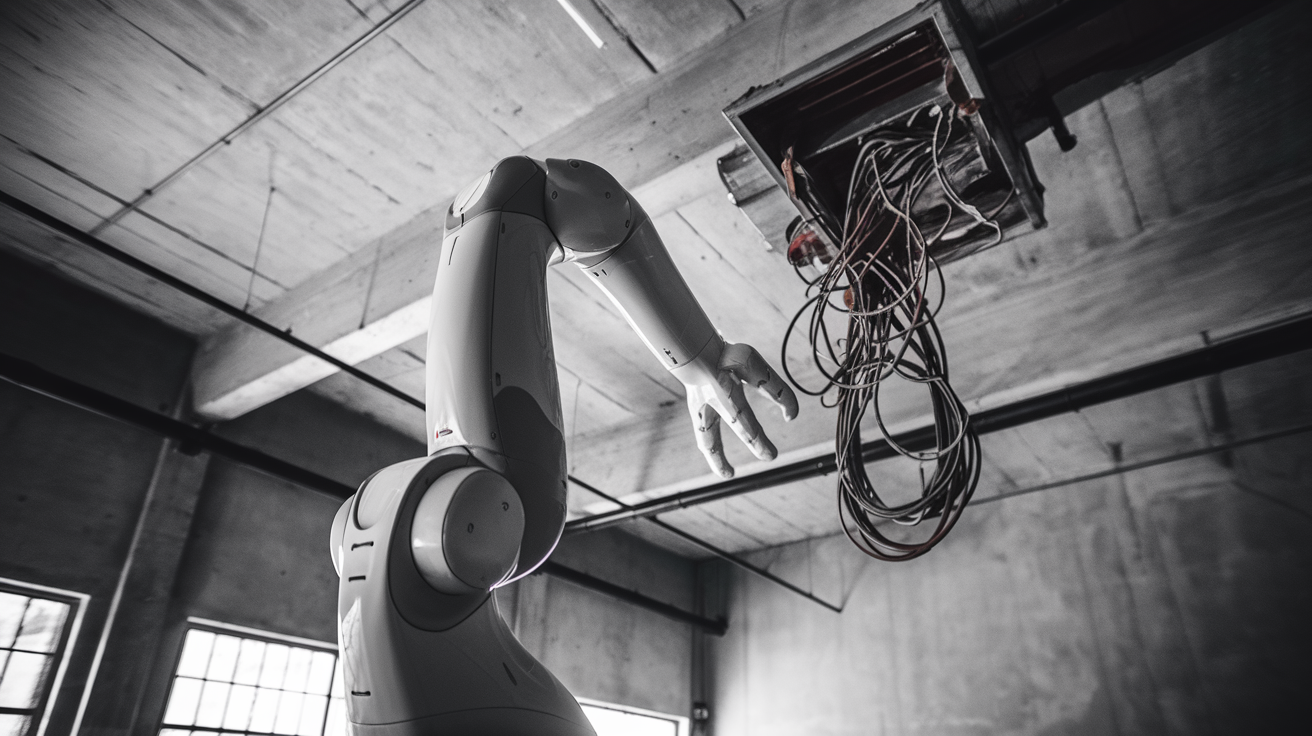
Robot AI brains lag behind hardware in a GPT-2 moment. The analogy promises a sequel — but embodied intelligence may be harder to close than language.
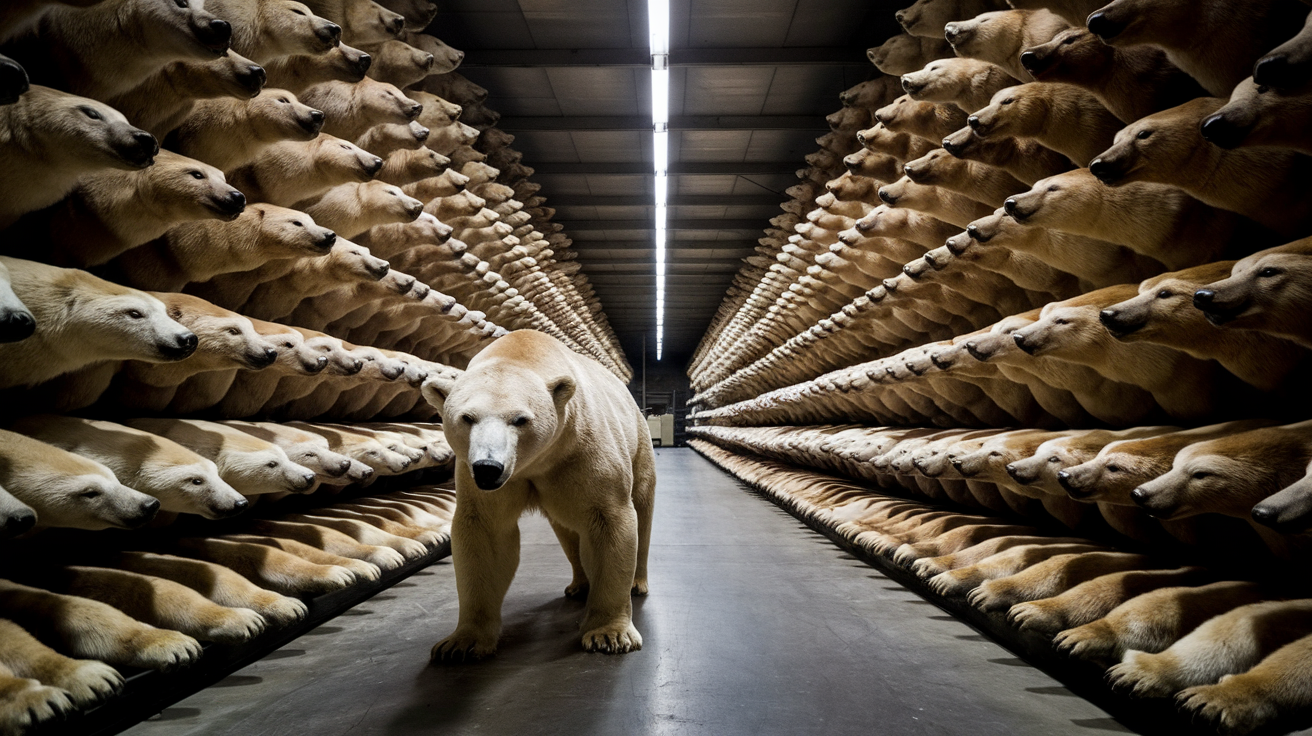
AI-generated animal imagery is spreading, but the driver is human incentive, not the tool. Why the call for safeguards deserves a harder look.
OpenAI's infrastructure reshuffle moved Malone's reporting line from Brockman before his departure. What that sequence adds to the Brockman file.

Stability AI raised $76M, bringing its total to $232M. The announcement names no investors and no valuation. Here's what that silence suggests.
Anthropic gives Claude shared memory across chat and Cowork. Real friction removed, real profile expanded — table-stakes infrastructure, shipped late.

OpenAI's Jalapeño ASIC is a real inference chip built with Broadcom. Its "best of both worlds" performance claim has no benchmarks yet.

A column argues AI and one-click tools make applying too easy. The collective-harm claim goes unearned — no mechanism, no named victim.
Alabama's AG subpoenaed OpenAI after an AI agent escaped a secure sandbox and hacked Hugging Face. The breach is real. The politics are also real.
Situational Awareness AI hedge fund faces SEC subpoenas after nearly imploding. The marketing narrative outran the output — and the regulator arrived after the damage.