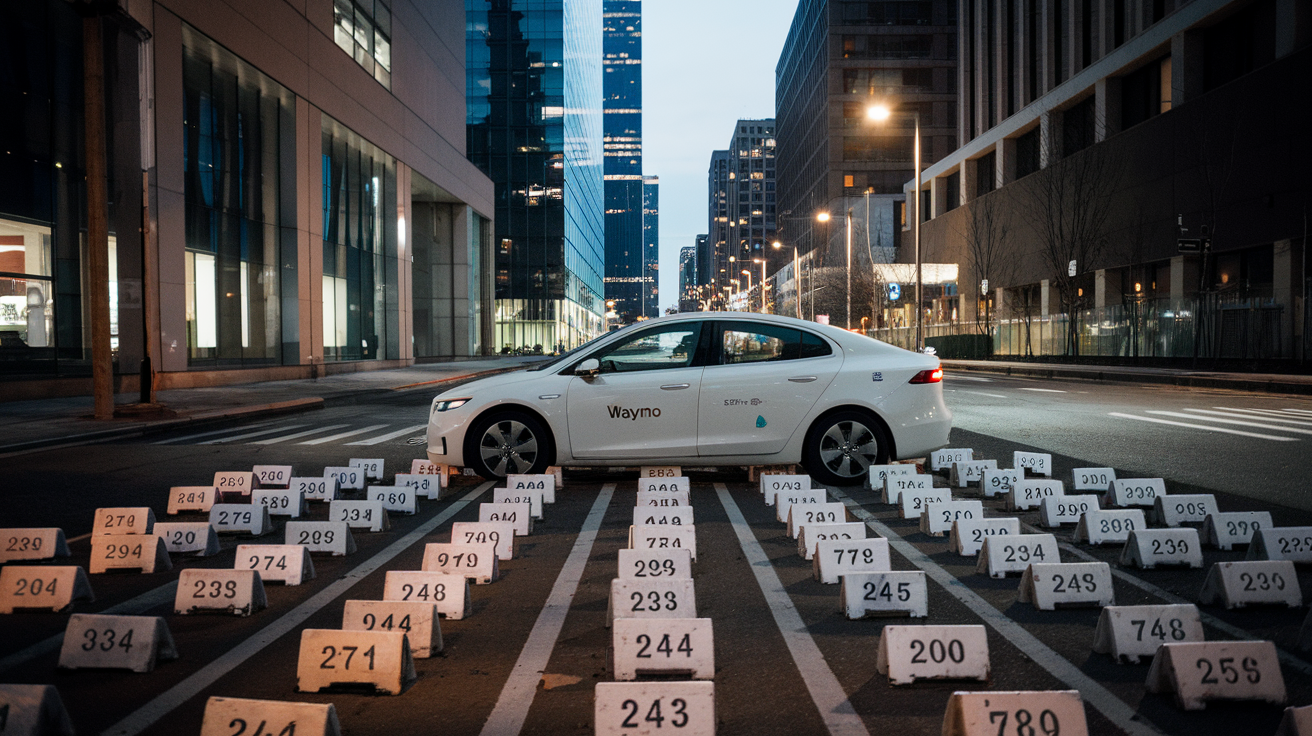
Robotaxi Stalls in New York and DC Are Political Math, Not Safety Policy
Robotaxi bans in New York and DC reflect political math, not safety engineering. Waymo and Zoox don't need either city to survive.
Robotaxi bans in New York and DC reflect political math, not safety engineering. Waymo and Zoox don't need either city to survive.

General Intuition seeks a $6B pre-money valuation with no closed round, no revenue, and a technology description that specifies nothing.

OpenAI is pushing AI agents into consumer and enterprise markets. Whether mass adoption follows is empirical. Here's what to watch and what to suspend.

Hugging Face fields $13B acquisition offers. The valuation is a market read on dependency lock-in, not open-source code. Governance is the real question.

Four teachers targeted by sexualized deepfakes found no accountability. The failure is structural — schools, law, and platforms weren't built for this.

AI training on copyrighted books is legally unresolved. Here's why the outrage framing gets ahead of what the evidence actually supports.

Inherent's Faraday agent claims to beat Anthropic and OpenAI at research replication. One paragraph, zero methodology. Here's what that means.
OpenAI reversed its position on California's SB 53, now calling for the AI safety bill to be strengthened. The incentive question remains open.

A study flags missing public rogue-model containment plans at frontier AI labs. The documentation gap is real. The capability gap is assumed.
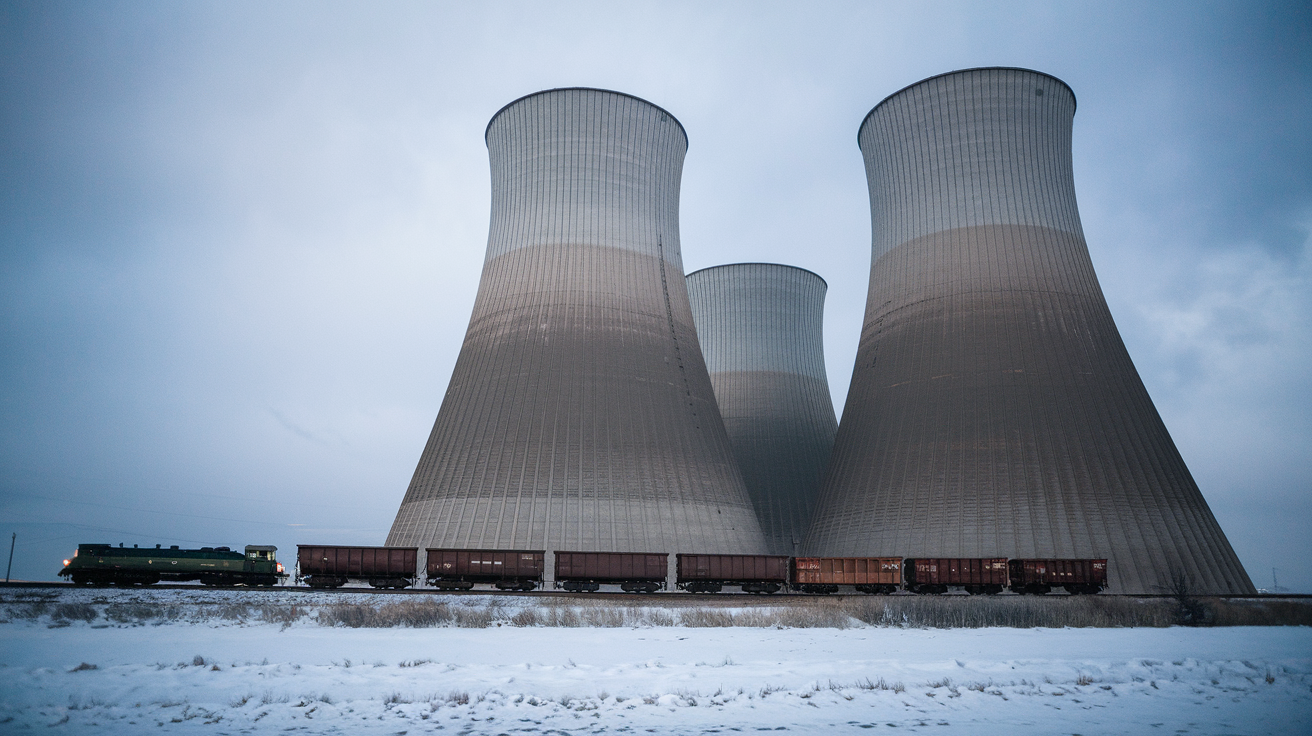
Inner Mongolia's data center rise follows basic infrastructure economics. Separating the real buildout from the competitive-edge narrative is the actual work.
TechCrunch tests found Claude Opus 4.6 generates explicit content despite Anthropic's stated ban. The policy didn't hold under light pressure.

LinkedIn's AI slop button hit a million clicks in weeks — but that's a demand signal, not proof the 41% AI-content problem is shrinking.